
What to Know Before You Visit: Facilities and Access
Parking options, restroom locations, visitor centres, and accessibility information. Everything you need to plan a comfortable day out.
Getting There and Getting Around
Planning a visit to Muckross and the oak woodlands doesn't have to be complicated. We've put together the essentials so you're not figuring things out when you arrive. There's parking available, visitor facilities are well-organized, and if you've got accessibility needs, we've got solutions for you.
The key thing to know upfront: facilities here are genuinely senior-friendly. That means proper restrooms, places to sit, and enough shade when the weather's warm. We're not going to pretend everything's flat and effortless — some paths are genuinely steep — but we'll tell you exactly what to expect so you can plan accordingly.
Parking and Entry Points
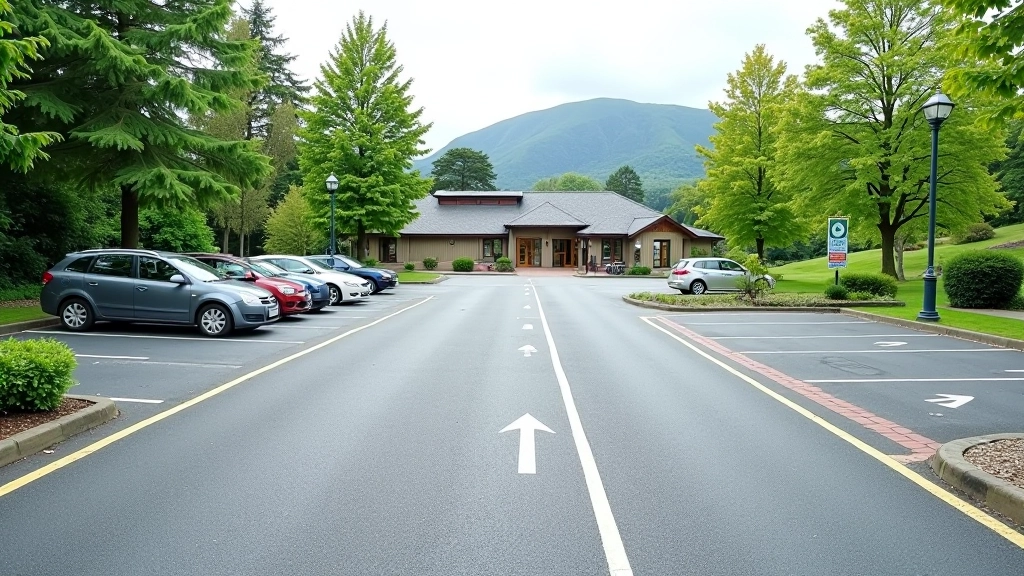
There are three main car parks serving Muckross and the surrounding areas. The largest is Muckross House Car Park, which has 300+ spaces and sits right at the entrance. It's not far from the visitor centre, though it's not immediately obvious if you're not familiar with the area. The secondary car park near the lake entrance is smaller but often quieter — useful if you're visiting on busy days.
Here's what matters: all three car parks have designated accessible spaces. They're clearly marked, and they're genuinely close to facilities — not in some distant corner. If you're coming by bus, there's a drop-off area right at the visitor centre entrance. During peak season (June through August), parking fills up by mid-morning on weekends, so arriving before 10 a.m. makes sense.
Quick Facts
- Three car parks, 300+ total spaces
- Accessible parking at every location
- Bus drop-off at visitor centre
- Peak season fills mid-morning weekends

Restrooms and Amenities
The visitor centre has proper restrooms — and by proper, we mean they're cleaned regularly, they're well-lit, and there's actual soap and paper towels. They're accessible, with wider doors and grab bars where they matter. If you're planning a longer day out, you won't be caught short. There's also a small café inside the centre with seating, so you've got a place to sit down with tea or coffee.
Beyond the centre, there are smaller facilities at the Muckross House car park and near the lake paths. They're not fancy, but they're maintained. You won't find them at every trail entrance — it's worth knowing that before you set off on a longer walk. Most people bring water and a snack. The benches dotted along the main paths are substantial and genuinely useful. They're not just decorative.
Pro tip: The visitor centre café closes at 5 p.m. If you're planning an evening visit, bring refreshments with you.
Information Note
This article is informational and educational. Specific amenities, opening hours, and accessibility features can change seasonally or due to maintenance. We recommend checking the official Killarney National Park website or calling ahead to confirm current facility status, especially during winter months or after severe weather. Contact details and live updates are available through the visitor centre.
Accessibility and Mobility Support
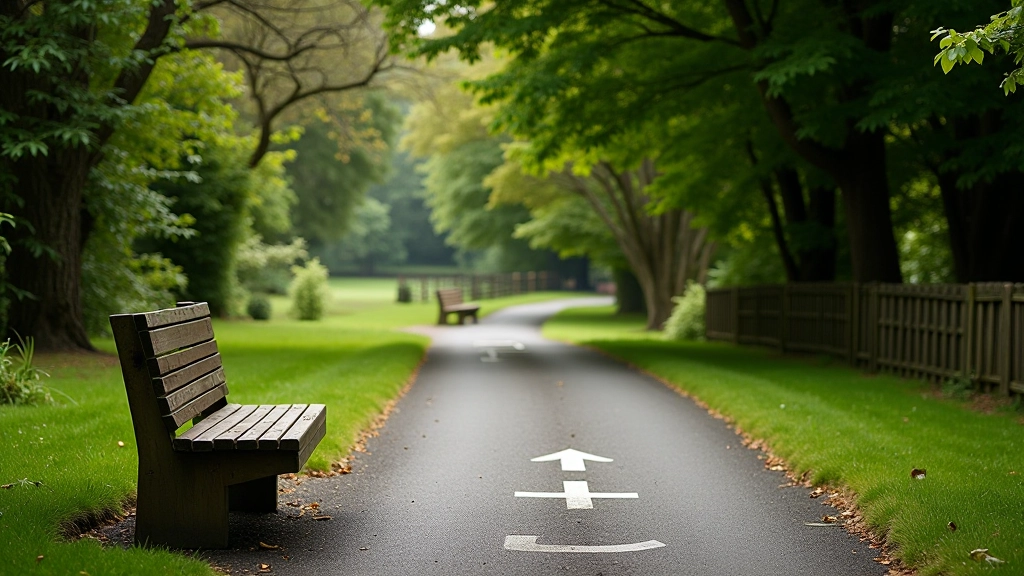
If you've got mobility concerns, here's the honest assessment: some paths are genuinely accessible, and some aren't. The main loop around Muckross House is smooth, paved, and mostly level — it's about 1.6 kilometres and takes most people 45 minutes without rushing. The shoreline walk near the lake entrance is also paved for about half its length, then transitions to gravel and packed earth. Both have rest benches positioned sensibly — roughly every 200-300 metres.
The steeper woodland trails aren't accessible. They're rough, uneven, and designed for people who're comfortable with uneven ground and inclines. That's not a criticism — it's just the reality of natural woodland. But it means you've got options. You don't have to do the hard walks. The accessible routes show you the landscape properly, and the deer spotting is just as good from the easier paths.
Accessible Routes
Muckross House loop and lower lake paths. Paved surfaces, rest benches, clear signage.
Mobility Equipment
Wheelchairs and mobility scooters suitable for paved sections. Not recommended for woodland trails.
Assistance Services
Visitor centre staff can advise on best routes for your needs and current path conditions.
The Visitor Centre
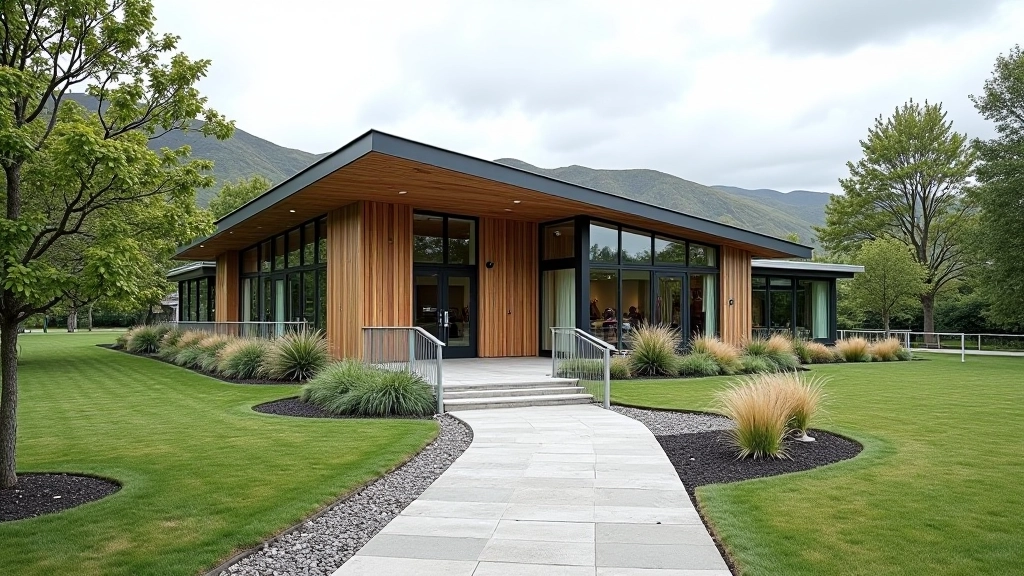
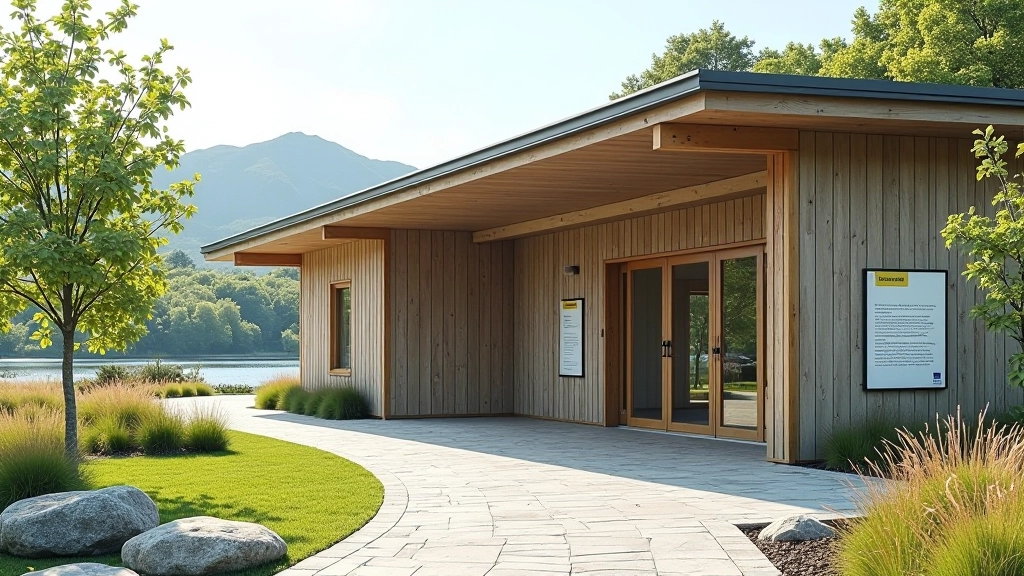
The Muckross visitor centre is genuinely worth spending time in. There's an exhibition space showing the history of the oak woodlands — not just facts and dates, but actual context about what you're seeing outside. The staff know the area inside out. They're not just behind a desk; they'll actually answer questions about specific paths, current wildlife activity, and what's worth your time on a particular day.
It's open year-round, though hours change seasonally. Winter hours (November–February) are shorter — typically 9 a.m. to 5 p.m. Summer hours extend to 6 or 7 p.m., depending on daylight. They've got maps, leaflets, and a small gift shop. The café serves basic refreshments: tea, coffee, light sandwiches. Nothing fancy, but genuinely useful if you've been walking and need to sit down somewhere warm.
"The centre staff helped us plan a route that worked perfectly for Dad's knee. We've been coming back for three years now because we know what to expect and how to manage it."
Planning Your Visit
Here's what actually makes a difference when you're planning:
1
Check the Weather
Not just temperature. Wind and rain affect the paths. Wet gravel becomes slippery. Strong wind makes exposed sections uncomfortable.
2
Arrive Early
Parking fills up. Morning visits mean better wildlife spotting anyway — deer are most active before 10 a.m.
3
Bring Water
Even on shorter walks. There's no water available on the paths themselves. Two litres per person is sensible.
4
Talk to the Centre Staff
Five minutes of conversation can save you hours. They'll tell you which routes suit you, what conditions are like today, and whether anything's closed.
The facilities here aren't fancy, but they're functional and genuinely thought out. You're not dealing with a neglected site. It's clear that people visit regularly and the infrastructure supports that. That makes a real difference when you're planning a day that needs to work smoothly.

Related Articles